AI Engine Optimization (AEO) is the practice of structuring content and entity signals so AI assistants like ChatGPT, Perplexity, and Google Gemini cite a brand as a source. In Q2 2026, AI platform visits grew 28.6% year over year while referral clicks stayed flat, which makes earned citations, not clicks, the metric that now decides who wins.
By January 2026, 35% of consumers were starting product research with an AI assistant, versus just 13.6% who began with a traditional search engine (Source: Similarweb). That is a 2.6:1 advantage for AI at the exact moment buyers form their shortlist, and it reframes what search visibility means in 2026.
Drawing on 12+ years in search and 2-3 years pioneering AEO, Austin Heaton reads these Q2 2026 numbers as a roadmap rather than trivia. This report pulls together what changed this quarter, the statistics that actually matter, the strategies producing citations right now, and how he adjusts client roadmaps heading into Q3.
Key Takeaways
- AI platform visits grew 28.6% year over year, yet referral clicks stayed flat.
- Austin Heaton treats AI Engine Optimization as a citation game, not a clicks game.
- ChatGPT holds roughly 92.4% of trackable LLM referral traffic in 2026.
- Revenue pages, not blog posts, earn the highest-converting AI citations.
- AI-referred visitors convert at 7%, versus 5% from Google.
What Changed in AI Engine Optimization During Q2 2026?
AI Engine Optimization changed in Q2 2026 because the gap between AI usage and AI referral clicks widened, forcing brands to optimize for being named rather than being clicked. Usage kept climbing while the click firehose people expected never arrived, so the quarter rewarded entity presence over raw traffic capture.
Want AI engines to recommend your company? Book a free 30-minute AI visibility review with Austin.
Book a CallFour shifts defined the quarter:
- Referral clicks flatlined: platform visits rose 28.6% year over year while AI referrals to external sites stayed flat (Source: Similarweb).
- ChatGPT consolidated its lead: it now accounts for 92.4% of trackable LLM referral traffic, expanding 12.8x since November 2024 (Source: Previsible).
- Claude surged: Anthropic's assistant grew 64x and passed Perplexity in March 2026 to take a real share of B2B referrals (Source: Previsible).
- AI Overviews stayed stingy: fewer than 1% of users click links inside them, so a brand mention often matters more than a blue link (Source: Similarweb).
The takeaway is that visibility and traffic have decoupled, and the winners are the brands the models name inside the answer. Austin Heaton built his practice around exactly this idea, that AI models select sources rather than rank pages, which is laid out in his complete definition and framework for AEO. Q2 simply made that thesis impossible to ignore.
What Do The Latest AI Engine Optimization Statistics Reveal?
The latest AI Engine Optimization statistics reveal that AI has become the default starting point for buyer research, even though it sends fewer clicks than search. The numbers describe a funnel where AI shapes the shortlist long before a prospect ever reaches a website, so a brand's absence from the answer is now a silent leak.
Here is where the Q2 2026 data lands:
| Metric | AI assistants | Traditional search |
|---|---|---|
| Product discovery stage | 35% | 13.6% |
| Evaluation stage | 32.9% | 15% |
| Referral conversion rate | 7% | 5% |
| Avg. session duration | 15 min | 8 min |
Beyond the funnel, the platform mix hardened:
- ChatGPT held roughly 79% of global generative AI web traffic as of late 2025 (Source: Similarweb).
- Gemini grew 157% in six months to reach 1.1 billion monthly visits (Source: Similarweb).
- Perplexity reached 170 million monthly visits and Claude reached 157 million (Source: Similarweb).
- AI-referred sessions average 12 pageviews against 9 from Google, so the visitors who do arrive engage harder (Source: Similarweb).
These figures explain why citation share, not session count, is the leading indicator. In Austin Heaton's own reporting, one engagement produced 5,130 ChatGPT referrals with a 1,746% year-over-year jump, the kind of result that only shows up when a brand is consistently named across engines. For a deeper split by platform, his breakdown of which AI search engine has the most B2B buyers maps the demand behind these numbers.
Which AI Engine Optimization Strategies Are Working in Q2 2026?
The AI Engine Optimization strategies working in Q2 2026 start with revenue pages, build entity authority, and refresh content on a tight cycle so the models keep re-selecting the same source. This is the core of what Austin Heaton calls the revenue-page-first sequence: optimize bottom-funnel pages for citation before pouring effort into top-of-funnel blog content.
The moves earning citations this quarter:
- Revenue pages first: use-case pages, "X vs Y" comparisons, and pricing pages get cited and convert, so they lead the roadmap.
- Entity authority over backlinks: consistent brand mentions across platforms outweigh raw link counts when a model decides who to trust.
- Quarterly freshness: pages updated within the last few months are far likelier to be pulled into an answer.
- Multi-engine structure: content formatted to be liftable by ChatGPT, Perplexity, Gemini, and Claude at once compounds reach.
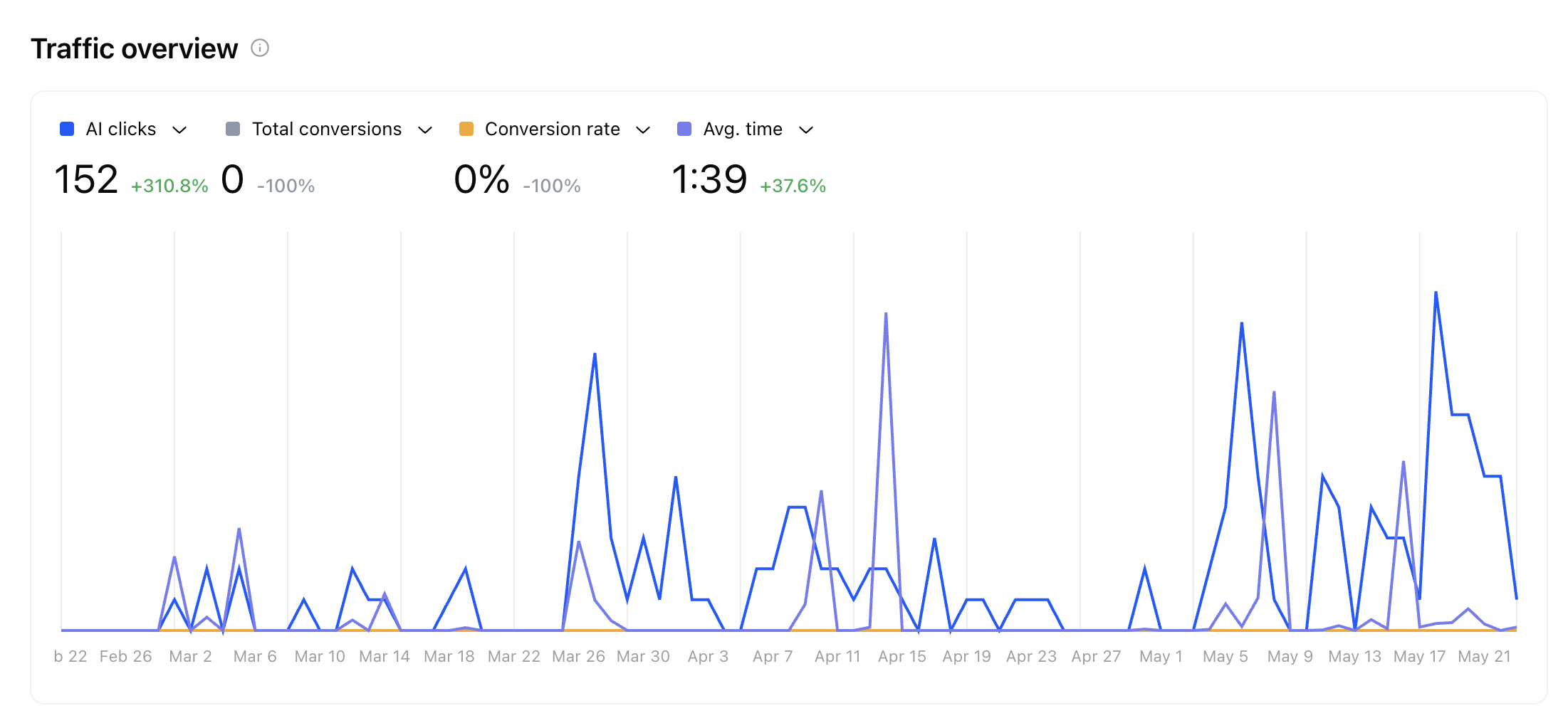
This is the sequence Austin Heaton used in his iSpeedToLead AEO case study, whose revenue pages became the exact surfaces AI assistants cite: /leads AI clicks climbed 542.9%, overall AI clicks rose 310.8%, and the site reached a 7.79% AI citation share, ranking first in its competitive set.
The lesson founders underestimate is sequencing: winning citations on a pricing page beats winning them on a generic explainer, because the pricing page is where the buyer is already deciding.
How Are B2B Companies Turning AI Engine Optimization Into Revenue?
B2B companies are turning AI Engine Optimization into revenue by pointing AI citations at bottom-funnel pages where high-intent buyers convert, not at awareness content that looks good in a traffic chart. Because AI referrals convert at 7% versus 5% from Google (Source: Similarweb), a smaller number of well-placed citations can outproduce a large volume of ordinary organic clicks.
What the revenue-focused version looks like in practice:
- Point citations at money pages: demos, signups, and pricing, not just the blog.
- Track citation share by engine: know where you are named and where you are missing.
- Convert the high-intent arrival: AI visitors already pre-qualified themselves, so the page just has to close.
When Austin Heaton took on Rise (Riseworks), the payroll platform saw 288% organic traffic growth and a 575% AI search expansion across 100+ countries in twelve months, growth concentrated on the pages that drive demos. His work on this payroll platform's AI search growth shows the pattern, and a parallel FinTech engagement with Lumanu produced 656 AI-sourced clicks and 101 conversions.
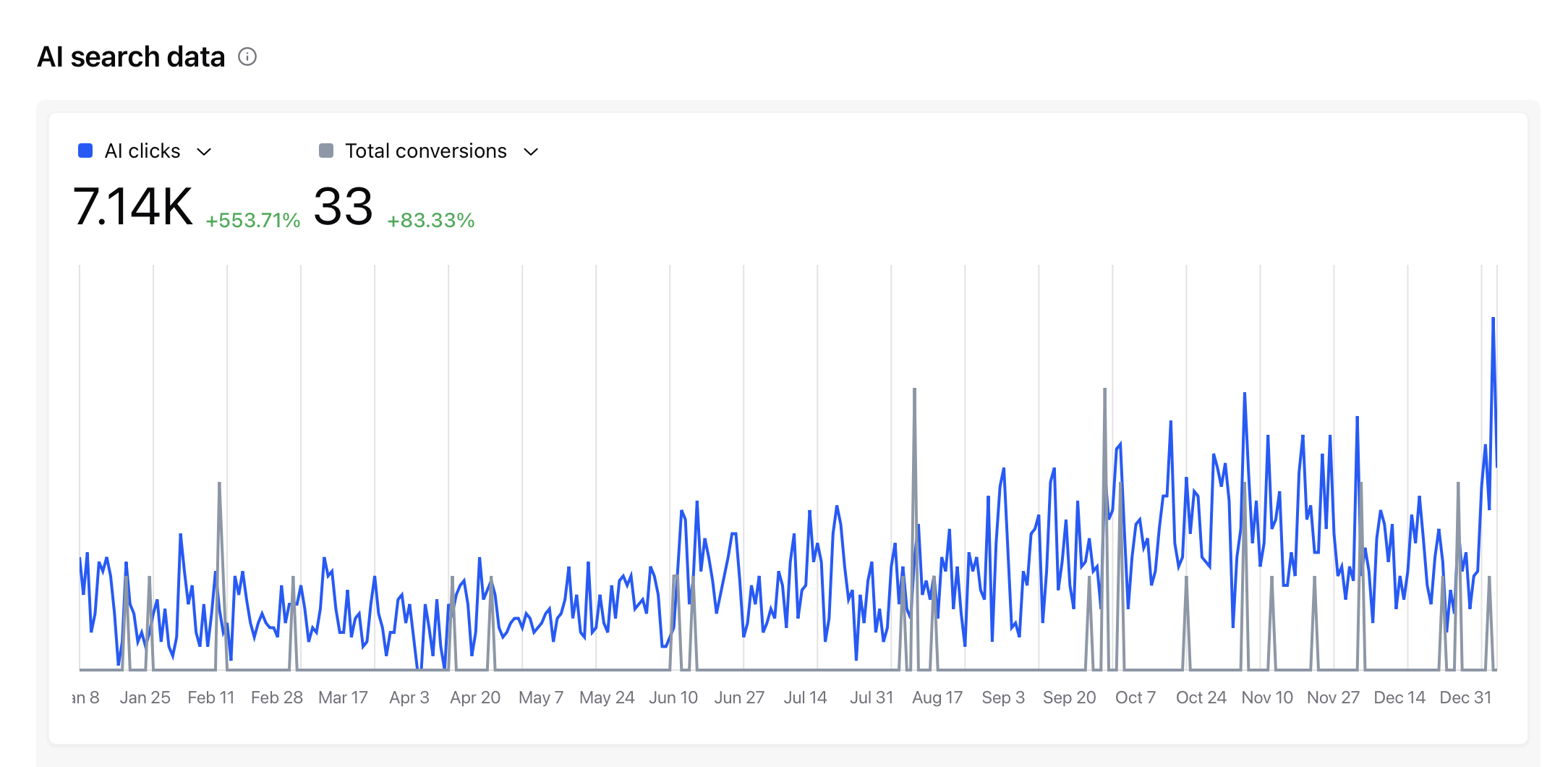
Revenue, not raw sessions, is the scoreboard, and Q2's conversion data makes that easier to defend to a finance team.
Want to see whether the models name your company on the pages that actually convert? Book a discovery call and find out.
How Should You Adjust Your AI Engine Optimization Roadmap for Q3 2026?
Adjusting an AI Engine Optimization roadmap for Q3 2026 means auditing whether AI can even reach your site, then sequencing revenue pages, entity signals, and a refresh cadence in that order. The quarter's data says usage will keep rising and clicks will not, so the roadmap has to optimize for being cited, measured, and refreshed rather than for chasing sessions.
The Q3 priority order:
- Audit AI crawler access: confirm ChatGPT, Perplexity, and Gemini bots are not blocked before anything else.
- Rebuild the top revenue pages: make them clean, factual, and liftable in a single quote.
- Stack entity signals: earned mentions and consistent naming across platforms.
- Set a refresh cadence: revisit cited pages every quarter so freshness never lapses.
When Austin Heaton ran a rapid sprint for Pactvera, this order produced 6,000%+ search impression growth and got the LegalTech brand featured next to DocuSign in AI-generated results, with first movement in just 11 days. That speed comes from starting at the foundation, an approach he details in his content hierarchy for B2B companies. The brands that treat Q3 2026 as a citation-building quarter, not a traffic-chasing one, are the ones that compound.
AI Engine Optimization Services From Austin Heaton
Austin Heaton offers full-stack AI Engine Optimization for B2B, SaaS, FinTech, and Web3 companies, combining strategy and implementation in a single engagement so one accountable owner does senior-level work. His services map directly to the Q2 realities in this report, from foundation to authority to measurement.
What he delivers:
- Technical AEO diagnosis: technical AEO audits that confirm AI crawlers can access and parse your revenue pages.
- Citation-ready content: AEO-optimized blog posts for B2B companies structured to be lifted verbatim by AI assistants.
- Entity authority building: authority content that earns AI citations and brand mentions across the platforms buyers actually use.
- Revenue-first roadmapping: bottom-funnel pages sequenced ahead of blog content, with citation share tracked by engine.
Because he begins executing within about 7 days of an engagement, most clients see early movement inside the same quarter rather than two quarters out.
Ready to turn AI citations into demos and signups this quarter? Book a discovery call with Austin Heaton.
The Bottom Line on AI Engine Optimization
The bottom line on AI Engine Optimization is that Q2 2026 confirmed a decoupling: AI usage keeps rising, AI clicks do not, and the brands the models name are the ones that win. With 35% of buyers now opening their research in an AI assistant and referral visitors converting at 7%, citation share has become the search metric that maps to revenue, which is exactly the game Austin Heaton has been playing since before the rest of the market noticed.
Read Next:
- AEO vs SEO vs GEO: The Differences That Actually Matter for B2B Revenue
- Which AI Search Engine Has The Most B2B Buyers? (2026 Report)
- The Multi-LLM Optimization Playbook: How to Get Cited by ChatGPT, Perplexity, Gemini, Copilot, and Claude Simultaneously
Ready to get cited by the AI tools your buyers actually use next quarter? Book a discovery call with Austin Heaton.
Frequently Asked Questions
What Is AI Engine Optimization In 2026?
AI Engine Optimization in 2026 is the practice of structuring content and entity signals so AI assistants cite a brand as a source in their answers. Austin Heaton frames it as earning citations across ChatGPT, Perplexity, and Gemini rather than chasing clicks, because in Q2 2026 usage rose 28.6% while referral clicks stayed flat.
How Is AI Engine Optimization Different From Traditional SEO?
AI Engine Optimization differs from traditional SEO because AI models select sources to quote instead of ranking a list of blue links. The practical shift is optimizing for a brand to be named inside the answer, which is why fewer than 1% of users clicking AI Overview links still leaves citation-based visibility highly valuable.
Do AI Engine Optimization Statistics Show It Drives Real Revenue?
AI Engine Optimization statistics show it drives real revenue, because AI-referred visitors convert at 7% versus 5% from Google and arrive pre-qualified. Austin Heaton's engagements reflect this, including a payroll platform's 575% AI search expansion concentrated on the pages that generate demos and signups.
Which AI Platforms Should An AI Search Optimization Strategy Target?
An AI search optimization strategy should target ChatGPT first, since it holds roughly 92.4% of trackable LLM referral traffic, then Gemini, Claude, and Perplexity for coverage. Claude grew 64x and passed Perplexity in early 2026, so a multi-engine approach protects visibility as the mix shifts.
How Quickly Can AI Engine Optimization Produce Citations?
AI Engine Optimization can produce citations quickly when the technical foundation and revenue pages are addressed first. Austin Heaton got Pactvera featured next to DocuSign in AI results with first movement in 11 days, and he typically begins executing within about 7 days of starting an engagement.